When you reach the age where Medicare becomes a pivotal part of your healthcare journey, the path can feel less like a gentle stroll and more like navigating a dense forest. Deciphering the various "Parts," plans, and enrollment windows can be daunting. Yet, for many in Maine, understanding Generations Advantage Enrollment & Eligibility is a crucial step toward securing comprehensive, integrated healthcare that goes beyond what Original Medicare offers.
This isn’t just about signing up; it’s about making an informed decision that empowers your health and financial well-being. Generations Advantage plans, offered by Martin’s Point Health Care, are designed to streamline your Medicare experience, bundling essential benefits and adding valuable extras that make a real difference.
At a Glance: Your Generations Advantage Enrollment & Eligibility Checklist
Before diving deep, here are the core takeaways you should know about Generations Advantage:
- You Must Be Eligible for Medicare: This means having Medicare Part A (Hospital Insurance) and Part B (Medical Insurance).
- Residency Matters: Generations Advantage plans are specifically available to residents within their service area, primarily in Maine.
- Enroll During Specific Windows: Just like other Medicare plans, you can only enroll or switch plans during designated periods, primarily your Initial Enrollment Period, the Annual Enrollment Period, or a Special Enrollment Period.
- Bundled Benefits: Generations Advantage plans are Medicare Advantage (Part C) plans, meaning they typically combine Part A, Part B, and often Part D (prescription drug coverage), along with extra benefits.
- Beyond Original Medicare: These plans often offer lower out-of-pocket costs and additional perks like vision, hearing, and dental coverage not included in Original Medicare.
- Plan Comparison is Key: With different Generations Advantage plans available, comparing benefits, costs, and provider networks is essential to find the right fit for your needs.
Demystifying Medicare: Why More Than Original Medicare Matters
Before we focus on Generations Advantage, let’s quickly set the stage. Medicare is the federal health insurance program for people 65 or older, certain younger people with disabilities, and people with End-Stage Renal Disease. It's often broken down into several "Parts":
- Medicare Part A (Hospital Insurance): Primarily covers inpatient hospital stays, skilled nursing facility care, hospice care, and some home health care.
- Medicare Part B (Medical Insurance): Covers doctors' services, outpatient care, durable medical equipment, and many preventive services.
- Medicare Part D (Prescription Drug Coverage): Helps cover the cost of prescription drugs. This is obtained through private insurance plans.
Together, Original Medicare (Part A and Part B) provides a solid foundation, allowing you to use any doctor or hospital that accepts Medicare anywhere in the U.S. However, it's not a complete solution. Under Original Medicare, you're responsible for deductibles (Part A can be up to four times a year, Part B once per year) and a 20% coinsurance for most medical bills after your deductible is met. Crucially, Original Medicare doesn't include prescription drug coverage (Part D) or many common benefits like routine dental, vision, or hearing care.
This is why, as the data shows, a significant 86% of Medicare beneficiaries choose to add some form of additional coverage. They're looking for greater predictability, lower out-of-pocket costs, and more comprehensive benefits. This is where options like Medicare Advantage (Part C) plans or Medicare Supplement (Medigap) plans come into play.
Generations Advantage falls squarely into the Medicare Advantage (Part C) category. These are Medicare-approved plans run by private insurance companies that effectively take the place of Original Medicare. Instead of directly using your Medicare card for every service, you use your Generations Advantage plan card. These "bundled" plans typically include everything Original Medicare covers (Parts A and B), usually Part D drug coverage, and often a host of valuable extra benefits that Original Medicare simply doesn't provide. To learn more about the specific offerings, you can always Explore Martins Point Generations Advantage directly.
Is Generations Advantage Right for You? Understanding Eligibility
The journey to enrolling in Generations Advantage begins with confirming your eligibility. It's straightforward, but absolutely critical:
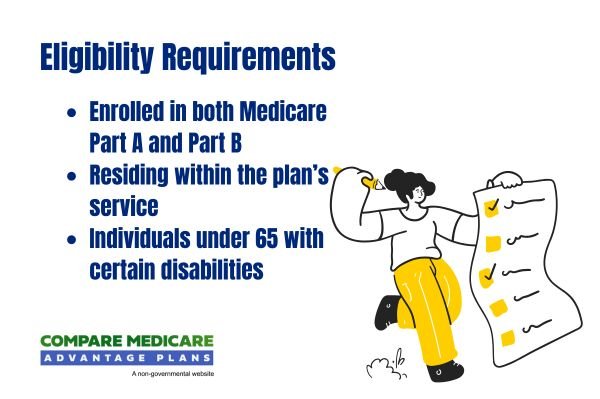
- You Must Be Enrolled in Medicare Parts A and B: This is the foundational requirement. You cannot enroll in a Medicare Advantage plan like Generations Advantage if you only have Part A or only Part B. You need both active. If you're not yet enrolled in Original Medicare, that's your first step. Most people are automatically enrolled in Part A and Part B when they turn 65 or after receiving disability benefits for 24 months. If you’re not automatically enrolled, you’ll need to sign up through Social Security.
- You Must Live in the Plan’s Service Area: Generations Advantage plans are specifically designed for residents of their particular service area. For Martin's Point Generations Advantage, this primarily means Maine residents. If you live outside their designated counties or states, you won’t be able to enroll. This is a standard rule for all Medicare Advantage plans, which are geographically based.
- You Cannot Have End-Stage Renal Disease (ESRD) at the Time of Initial Enrollment (with some exceptions): While federal rules for ESRD and Medicare Advantage have changed, generally, if you have ESRD, you may have limited options for joining a Medicare Advantage plan. However, there are exceptions, such as if you are already enrolled in a Medicare Advantage plan when you develop ESRD, or if you meet specific criteria. It's always best to check the latest rules or speak with a plan representative if you have ESRD.
- You Cannot Be Currently Enrolled in a Medigap (Medicare Supplement) Plan Simultaneously: This is a common point of confusion. Medicare Advantage plans are an alternative to Original Medicare, and Medigap plans supplement Original Medicare. You cannot have both a Medicare Advantage plan (like Generations Advantage) and a Medigap plan at the same time. If you enroll in Generations Advantage, your Medigap policy will not pay for services. You'll need to decide which type of additional coverage best suits your needs, a decision often made clearer when you understand the comprehensive nature of a Medicare Advantage plan compared to a Medigap plan. If you're weighing these options, understanding the nuances between them is crucial, and you might find it helpful to compare the two directly. For example, comparing Medigap and Medicare Advantage can shed light on which path aligns better with your healthcare priorities.
If you meet these core requirements, you’re on the right track to consider Generations Advantage for your Medicare coverage.
Why Generations Advantage? Unpacking the "Advantage"
So, you're eligible. But why choose a Generations Advantage plan over staying with Original Medicare and perhaps adding a Part D plan or Medigap? The "advantage" lies in several key areas:
1. The Power of Bundled Benefits
Generations Advantage plans are Medicare Advantage (Part C) plans, meaning they offer a "bundled" approach to your healthcare coverage. This typically includes:
- Part A (Hospital Insurance): Covered.
- Part B (Medical Insurance): Covered.
- Part D (Prescription Drug Coverage): Most Generations Advantage plans include this, eliminating the need to purchase a separate Part D plan. This simplifies your coverage and often leads to lower overall costs. Understanding your options for Medicare Part D drug coverage is essential, as Generations Advantage typically integrates this for convenience.
- Extra Benefits: This is where Medicare Advantage plans truly shine. Generations Advantage plans often include benefits not covered by Original Medicare, such as:
- Routine vision care (eye exams, glasses, contacts)
- Routine hearing care (hearing exams, hearing aid allowances)
- Routine dental care (cleanings, exams, X-rays, and sometimes more extensive services)
- Fitness programs (like gym memberships)
- Over-the-counter (OTC) allowances for health-related products
- Transportation to medical appointments
- Nurse help lines and other wellness programs
These additional benefits can significantly reduce your out-of-pocket spending on essential services that contribute to your overall well-being.
2. Predictable Out-of-Pocket Costs and Lower Financial Risk
One of the biggest concerns with Original Medicare is the open-ended 20% coinsurance for Part B services, with no annual limit. This means a serious illness or injury could lead to substantial medical bills.
Generations Advantage plans often come with:
- Low or No Deductibles: For both health and medication coverage, many plans have significantly lower deductibles, or even no deductible at all, compared to Original Medicare.
- Predictable Copays: Instead of 20% coinsurance, you'll typically pay a fixed copay for doctor visits, specialist visits, and hospital stays. This makes budgeting for healthcare much easier.
- Annual Out-of-Pocket Maximum: A critical feature of all Medicare Advantage plans is an annual limit on what you pay for Medicare Part A and B services. Once you hit this maximum, your plan pays 100% of covered services for the rest of the year. This provides crucial financial protection against catastrophic healthcare costs.
3. Integrated Care and Network Management
Generations Advantage plans operate within a network of doctors, hospitals, and other healthcare providers. While this means you'll generally need to use providers within the plan's network (especially for HMO plans), it also allows for:
- Coordinated Care: Your primary care provider (PCP) often acts as a central hub, coordinating your care among specialists and different healthcare services. This can lead to more efficient and effective treatment.
- Negotiated Rates: Because private plans contract with providers, they can often negotiate lower rates for services, which can translate into lower costs for you.
- Local Focus: As a Maine-based plan, Generations Advantage is often designed with the local healthcare landscape and community needs in mind.
In essence, a Generations Advantage plan aims to simplify your Medicare experience, enhance your benefits, and provide a greater sense of financial security, allowing you to focus more on your health and less on navigating complex bills. This comprehensive approach is a key reason why so many people are looking into understanding Medicare Advantage plans.
Timing Is Everything: Mastering Medicare Enrollment Periods
Enrollment in Generations Advantage, like all Medicare plans, isn't something you can do just anytime. Specific enrollment periods dictate when you can join, switch, or drop a plan. Missing these windows can delay coverage or even result in lifelong penalties.
1. Your Initial Enrollment Period (IEP)
This is your first opportunity to enroll in Medicare Part A and Part B, and subsequently, a Medicare Advantage plan like Generations Advantage.
- When It Happens: Your IEP is a seven-month window centered around your 65th birthday. It begins three months before the month you turn 65, includes the month you turn 65, and extends three months after the month you turn 65.
- Why It Matters: Enrolling during your IEP ensures you have coverage when you need it and helps you avoid potential late enrollment penalties for Part B (and sometimes Part A). If you enroll in a Medicare Advantage plan during this time, your coverage typically starts the first day of the month after you enroll.
Example: If your 65th birthday is in May, your IEP runs from February 1st to August 31st.
2. The Annual Enrollment Period (AEP) — The Medicare Open Enrollment
This is the most well-known enrollment period, often called "Open Enrollment."
- When It Happens: October 15th to December 7th each year.
- Why It Matters: During AEP, anyone with Medicare can make changes to their coverage. You can:
- Switch from Original Medicare to a Medicare Advantage plan (like Generations Advantage).
- Switch from one Medicare Advantage plan to another.
- Switch from a Medicare Advantage plan back to Original Medicare.
- Join, switch, or drop a Medicare Part D prescription drug plan.
- Effective Date: Changes made during AEP take effect on January 1st of the following year. This is your primary opportunity to review your current Generations Advantage plan, compare it to other Generations Advantage options, or explore different types of coverage for the upcoming year.
3. Medicare Advantage Open Enrollment Period (MA OEP)
This period is specifically for those already in a Medicare Advantage plan.
- When It Happens: January 1st to March 31st each year.
- Why It Matters: If you’re already enrolled in a Medicare Advantage plan (with or without drug coverage), you can:
- Switch to a different Medicare Advantage plan (with or without drug coverage).
- Switch back to Original Medicare. If you switch back to Original Medicare, you can also join a Medicare Part D plan.
- Important Note: You can only make one change during the MA OEP. You cannot use this period to switch from Original Medicare to a Medicare Advantage plan, or to join a Part D plan if you're on Original Medicare.
- Effective Date: Coverage typically begins the first day of the month after the plan receives your enrollment request.
4. Special Enrollment Periods (SEPs)
Life changes, and Medicare recognizes that. SEPs allow you to make changes to your Medicare coverage outside of the standard enrollment periods if you experience certain qualifying life events.
Common SEP triggers include:
- Moving to a new address that isn't in your current plan's service area.
- Moving into or out of a skilled nursing facility or long-term care hospital.
- Losing other creditable coverage (e.g., employer-sponsored health coverage).
- Qualifying for Extra Help with Medicare prescription drug costs.
- A change in your Medicaid eligibility.
- Your plan ending its contract with Medicare.
The timing and duration of an SEP depend on the specific life event. If you think you might qualify for an SEP, it's crucial to act quickly and confirm with Medicare or the Generations Advantage plan. Understanding all of Medicare enrollment periods is vital for a smooth transition into your chosen plan.
The Cost of Delay: Late Enrollment Penalties
Medicare can assess penalties for late enrollment in Part A, Part B, or Part D. These penalties are typically added to your monthly premium for the rest of your life, making your healthcare more expensive in the long run.
- Part B Penalty: If you don’t sign up for Part B when you’re first eligible and don’t have other creditable coverage, your monthly premium could increase by 10% for each 12-month period you were eligible but didn’t enroll.
- Part D Penalty: If you go 63 days or more without Medicare drug coverage (or other creditable prescription drug coverage) after your Initial Enrollment Period ends, your monthly Part D premium may increase by 1% of the national base beneficiary premium for each month you delayed.
These penalties are designed to encourage timely enrollment and broad participation in the Medicare program. Therefore, understanding your enrollment windows and taking action is paramount.
Navigating Your Options: Choosing the Right Generations Advantage Plan
Generations Advantage offers different plans, each designed to meet varying needs and budgets. Choosing the "right" plan isn't about finding the objectively best one; it's about finding the best fit for you. Here's what to consider:
1. Plan Types: HMO vs. PPO
Medicare Advantage plans typically fall into one of two main categories:
- Health Maintenance Organization (HMO) Plans:
- Structure: Generally require you to choose a Primary Care Provider (PCP) within the plan's network. Your PCP usually coordinates your care and provides referrals to specialists.
- Cost: Often have lower monthly premiums and out-of-pocket costs.
- Flexibility: Less flexibility in choosing providers; non-emergency care from out-of-network providers is typically not covered (except for emergencies).
- Good for: Those who prefer a coordinated care approach and are comfortable staying within a defined network.
- Preferred Provider Organization (PPO) Plans:
- Structure: Offer more flexibility. You don't usually need a PCP, and you generally don't need referrals to see specialists.
- Cost: May have higher monthly premiums or higher copays/coinsurance for out-of-network care.
- Flexibility: You can see out-of-network providers, but you'll pay more for those services.
- Good for: Those who want more freedom to choose their doctors and specialists, even if it means paying a bit more for out-of-network options.
2. Provider Networks: Your Doctors & Hospitals
This is perhaps the most crucial consideration. Before enrolling, ensure your current doctors, specialists, and preferred hospitals are part of the Generations Advantage plan's network.
- Check the Plan's Provider Directory: Every plan is required to provide a directory of their network providers. Use this tool diligently.
- Call Your Providers: It's a good idea to call your doctors' offices directly to confirm they accept the specific Generations Advantage plan you are considering. Sometimes directories can be slightly out of date.
3. Prescription Drug Coverage (Part D)
If the Generations Advantage plan includes Part D, you'll want to investigate its formulary (list of covered drugs).
- Check Your Medications: Make sure all your current prescriptions are on the plan's formulary. If not, see if there's a comparable generic or alternative, or consider a different plan.
- Tiered Costs: Understand how the plan structures drug costs (e.g., generic vs. brand-name tiers, special formularies).
- Pharmacy Network: Ensure your preferred pharmacy is in the plan's network.
4. Premiums, Deductibles, Copays, and Coinsurance
These are your core costs. Compare them across Generations Advantage plans and consider how they fit your budget and anticipated healthcare use.
- Monthly Premium: Some Generations Advantage plans have a $0 premium (though you still pay your Part B premium). Others may have a low premium.
- Deductibles: How much you pay out-of-pocket before the plan starts to pay for services.
- Copays/Coinsurance: Your fixed cost or percentage for doctor visits, specialist visits, hospital stays, and prescriptions.
- Annual Out-of-Pocket Maximum: Understand this limit. It’s your safety net.
5. Extra Benefits
While these are often the "fun" part, consider which extra benefits genuinely add value to your life. Is a fitness membership important to you? Do you frequently need dental work? Do you value an OTC allowance? Don't pay for benefits you won't use, but don't overlook those that could save you money and improve your health.
6. Star Ratings
Medicare evaluates plans based on a 5-star rating system, with 5 stars being excellent. These ratings reflect a plan's quality and performance. While not the only factor, a higher star rating can indicate a generally well-regarded plan.
Making this decision can feel complex, but resources are available. Using a plan comparison tool and speaking with a licensed insurance agent or a Generations Advantage representative can provide personalized guidance. The goal is to find a plan that balances cost, access to your preferred providers, and the specific benefits you value most. Ultimately, understanding how to go about choosing a Medicare plan is about finding the right balance for your unique situation.
The Step-by-Step Generations Advantage Enrollment Process
Once you’ve done your research, understood your options, and decided that a Generations Advantage plan is the right fit for you, the actual enrollment process is quite streamlined. Here’s what you’ll need and how to proceed:
Step 1: Decide on Your Preferred Plan
This is the most critical preparatory step. As discussed, you should have thoroughly reviewed the plan's details, including:
- Benefits: What’s covered, including extra perks like dental, vision, hearing, and Part D.
- Costs: Premiums, deductibles, copays, and the out-of-pocket maximum.
- Network: Confirmation that your preferred doctors and hospitals are in-network.
- Formulary: If the plan includes Part D, ensure your medications are covered.
Generations Advantage often provides plan comparison tools and dedicated representatives to help you make this decision.
Step 2: Gather Your Essential Information
To complete your application, you’ll need a few key pieces of information, primarily found on your red, white, and blue Medicare card:
- Your Medicare Number: This unique 11-digit alphanumeric ID is essential for identifying you with Medicare.
- Your Medicare Part A and Part B Start Dates: These dates indicate when your Original Medicare coverage began.
- Details of Any Other Health Coverage: If you have other health insurance (e.g., from an employer or former employer, TRICARE, or Veterans' benefits), you'll need the policy and group numbers. This helps coordinate benefits and ensures you don't accidentally duplicate coverage.
Step 3: Choose Your Enrollment Method
Generations Advantage offers several convenient ways to enroll:
- Online: Many prefer the convenience of enrolling online through the Generations Advantage website. This is often the quickest method.
- By Phone: You can call a Generations Advantage representative directly. They can guide you through the application, answer any last-minute questions, and help you complete the enrollment over the phone.
- By Mail: You can request an enrollment form be mailed to you, which you then fill out and send back.
- In Person: Some individuals prefer to meet with a representative in person, especially if they have many questions or prefer face-to-face interaction.
Step 4: Complete the Application
The application will ask for your personal details (name, address, date of birth), your Medicare information, and questions about any other health coverage. It will also require you to select your chosen Generations Advantage plan.
Step 5: Review and Submit
Before submitting, carefully review all the information you've provided to ensure accuracy. Mistakes could delay your enrollment. Once you're confident, submit your application.
Data Security and Confidentiality
Rest assured that your applicant information, including your Medicare number and personal details, is kept strictly confidential and secure. It is used solely to process your application, follow up with you regarding your enrollment, and monitor website performance, ensuring your privacy is protected throughout the process.
Once your application is processed, Generations Advantage will send you a welcome kit, including your new member ID card and detailed plan information. Keep this information handy, as it will be your key to accessing benefits.
Beyond Enrollment: What Happens Next?
Congratulations, you've enrolled in a Generations Advantage plan! But the journey doesn't end there. Here's what to expect and how to make the most of your new coverage:
1. Welcome Kit & Member ID Card
Shortly after enrollment, you'll receive a welcome packet from Generations Advantage. This typically includes:
- Your Member ID Card: This is your most important document. You'll use this card whenever you access healthcare services, not your red, white, and blue Medicare card.
- Evidence of Coverage (EOC): A comprehensive document detailing all your plan's benefits, costs, rules, and network information. Keep this for reference.
- Provider Directory: An updated list of in-network doctors, specialists, and hospitals.
- Formulary (Drug List): If your plan includes Part D, this lists all covered medications.
Review these materials carefully to familiarize yourself with your plan's specifics.
2. Using Your Benefits
- Doctor Visits: Schedule a "Welcome to Medicare" visit or an annual wellness visit with your primary care provider (PCP) to discuss your health needs and preventive care.
- Prescriptions: Present your Generations Advantage member ID card at your pharmacy. Your plan's Part D benefits will apply.
- Extra Benefits: Start utilizing your extra benefits! Whether it's a fitness membership, dental cleaning, or vision exam, make sure you understand how to access these perks. There might be specific providers or processes for these.
3. Understanding Your Bills
You'll typically receive an Explanation of Benefits (EOB) from Generations Advantage after you receive care. This document isn't a bill but explains what services were provided, what the plan paid, and what you may owe. You'll then receive a separate bill from your healthcare provider for any copays, deductibles, or coinsurance you owe.
4. Ongoing Support
Generations Advantage, like all Medicare Advantage plans, has customer service representatives available to answer your questions about benefits, claims, providers, and more. Don't hesitate to call them if you have any confusion or need assistance.
Common Questions and Misconceptions About Generations Advantage
It's natural to have questions when dealing with something as important as healthcare coverage. Here are answers to some common inquiries and clarifications for frequent misconceptions:
Q: Can I keep my current doctors if I join Generations Advantage?
A: This is one of the most important questions to ask! It depends on your plan type (HMO vs. PPO) and whether your doctors are part of the Generations Advantage network. With an HMO, you generally must use in-network providers. With a PPO, you have more flexibility but will pay more for out-of-network care. Always verify directly with your doctors and the plan's provider directory before enrolling.
Q: Do I still pay my Medicare Part B premium if I have a Generations Advantage plan?
A: Yes, in most cases, you will continue to pay your monthly Medicare Part B premium to the government, even if your Generations Advantage plan has a $0 monthly premium. Generations Advantage plans cover your Part A and Part B benefits, but they don't typically eliminate the Part B premium itself.
Q: What if I travel? Does Generations Advantage cover me outside of Maine?
A: Generations Advantage plans primarily serve their local service area (Maine). However, all Medicare Advantage plans must cover emergency and urgently needed care anywhere in the U.S. and often worldwide. For routine care, you would generally need to be within your plan's service area and network. If you plan to spend extended periods outside of Maine, especially in another state, you should thoroughly investigate your plan's out-of-area coverage or consider if a different type of Medicare coverage might be more suitable. If you move permanently out of the plan's service area, you'll qualify for a Special Enrollment Period to choose a new plan.
Q: Is Generations Advantage "extra" insurance on top of Original Medicare?
A: This is a common misconception. Generations Advantage (a Medicare Advantage Plan) replaces Original Medicare for your health coverage. When you join Generations Advantage, the plan essentially takes over providing your Medicare Part A and Part B benefits, and often Part D. You are still "in" Medicare, but your benefits are administered through the private plan, not directly through Original Medicare. This is why you cannot have a Medigap plan with Generations Advantage.
Q: What if I change my mind after enrolling?
A: You have specific periods during which you can change your Medicare Advantage plan. The Annual Enrollment Period (October 15 – December 7) allows you to switch plans for the following year. The Medicare Advantage Open Enrollment Period (January 1 – March 31) allows those already in an MA plan to switch to a different MA plan or return to Original Medicare. Outside these times, you would generally need a Special Enrollment Period to make changes.
Making an Informed Decision: Your Next Steps
Navigating Medicare and choosing the right plan is a significant decision. While Generations Advantage offers a compelling solution for many Maine residents, the key is to ensure it aligns perfectly with your individual health needs, financial situation, and lifestyle.
Here’s a clear path forward:
- Assess Your Current Needs:
- List all your current doctors and specialists.
- List all your prescription medications.
- Think about your typical healthcare utilization (frequent doctor visits, specialists, upcoming procedures).
- Consider any extra benefits (dental, vision, fitness) that would genuinely add value to your life.
- Verify Your Eligibility: Confirm you have Medicare Parts A and B and reside within the Generations Advantage service area (primarily Maine).
- Explore Generations Advantage Plans: Dive into the specific plans offered by Generations Advantage. Use their online plan comparison tools to see differences in premiums, deductibles, copays, and benefits. Pay close attention to the provider network and drug formulary.
- Ask Questions: Don't hesitate to contact a licensed insurance agent or a Generations Advantage representative. They are experts who can provide personalized guidance, answer your specific questions, and clarify any confusing aspects.
- Mind the Enrollment Deadlines: Be acutely aware of the Initial Enrollment Period, Annual Enrollment Period (October 15 – December 7), and any potential Special Enrollment Periods that apply to you. Missing these deadlines can have lasting consequences.
Choosing a Medicare plan is a commitment to your health and peace of mind. By taking the time to understand your options and Generations Advantage Enrollment & Eligibility, you can confidently make a choice that serves you well for years to come.